EHRESMANN
Engineering
Synchronizing structural data...

Synchronizing structural data...
One of our most common engineering requirements is to determine if an existing tower is over-stressed or if an existing tower can safely accommodate additional loading. If you are interested in more information or would like to request a quote for a structural analysis, please go to the Contact page. Contacts are listed under the Structural Analysis – Existing section.
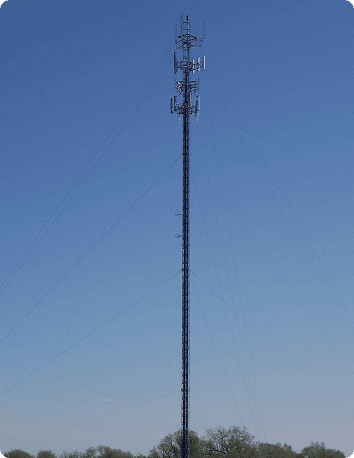
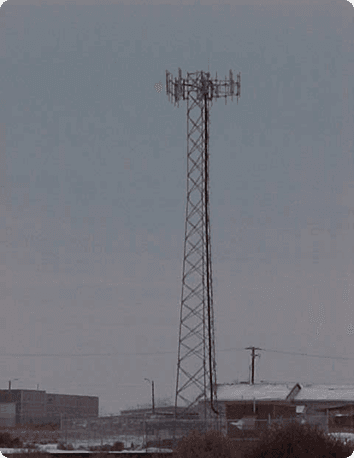
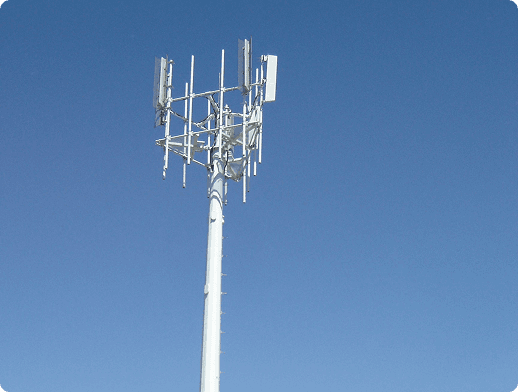
We've compiled clear, engineering-backed answers to the most common questions about tower safety, loading requirements, climate data, and the structural analysis process.
A visual inspection of a tower shows only the physical conditions of a tower such as rusting, cracked welds, bent members, etc. While a visual inspection is extremely important, it will not show whether a tower is overstressed by the load it is supporting. A structural analysis uses mathematical engineering formulas for stress, along with known behavior of different materials under load to determine if any point on the tower is stressed beyond safe limits. By using state-of-the-art computer software, we can create a mathematical model of any steel structure and quickly determine the stresses at hundreds of points on the tower.
The Telecommunications Industries Association (TIA) has developed a written standard which provides minimum criteria for specifying and designing steel antenna towers and antenna support structures. The current standard represents years of engineering studies and has been accepted as an industry standard.
An analysis requires all of the tower dimensions, location, and type of antennas, and local climate conditions. Information can be obtained from a combination of original tower drawings and tower records.
Dimensions can be obtained from an on-site mapping of the tower. Ehresmann Engineering can do that for you at your request. Some assumptions may need to be made. For example, steel is generally considered to have a minimum yield strength of 36 kilo-pounds per square inch (ksi), unless original manufacturer specifications are known to confirm actual parameters. Unless informed otherwise, we must assume the tower steel does not have hidden defects such as hairline cracks, internal corrosion in tube members or excessive corrosion structure underground.
The TIA standard referenced above along with ASCE 7 has established a typical ice thickness and wind speed for every location in the United States. Due to the low probability that an extreme ice load will occur simultaneously with an extreme wind load, the wind load for tower design purposes is normally reduced when considered to occur simultaneously with ice. If more extreme conditions than those outlined by TIA are known to occur at an actual specific site and/or the owner/customer would like more conditions considered, these conditions must be specified by the owner/customer.
The price varies with the size, type, and complexity of the tower. Ehresmann Engineering will quote you a firm price in advance on any structure. An analysis of the same tower is provided at a reduced cost to consider various options in antenna loading, environmental conditions or to consider tower modifications.